
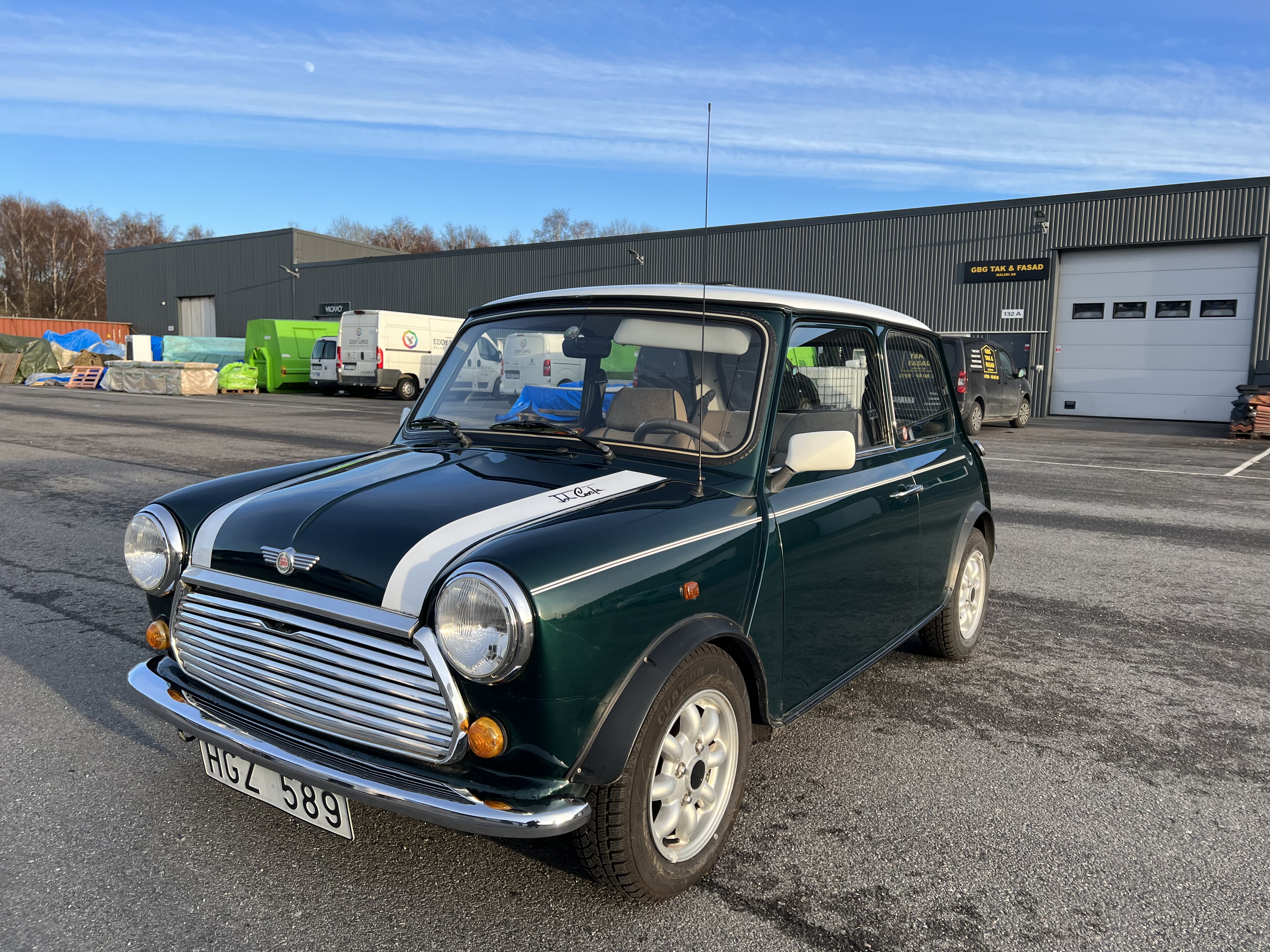
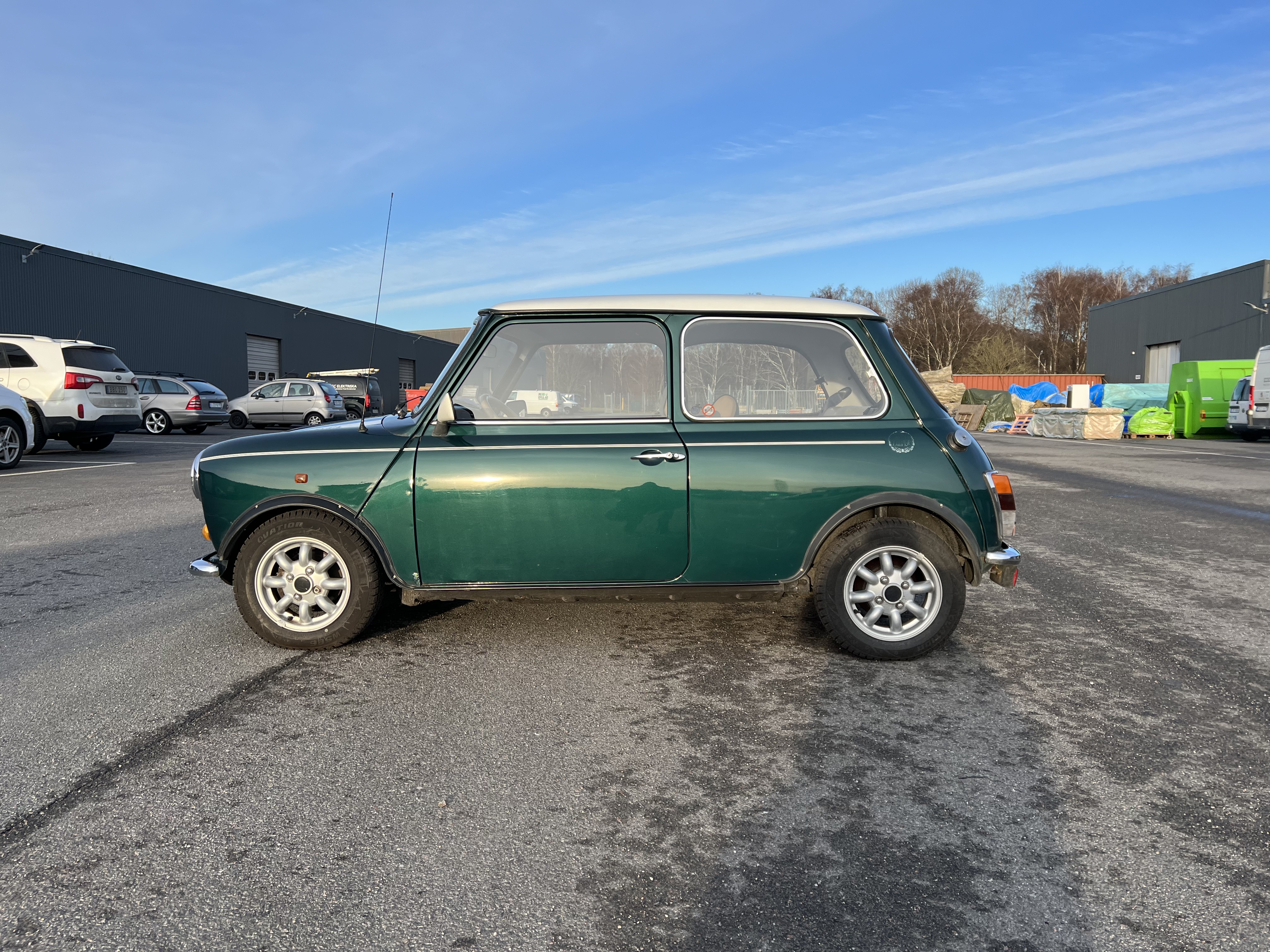
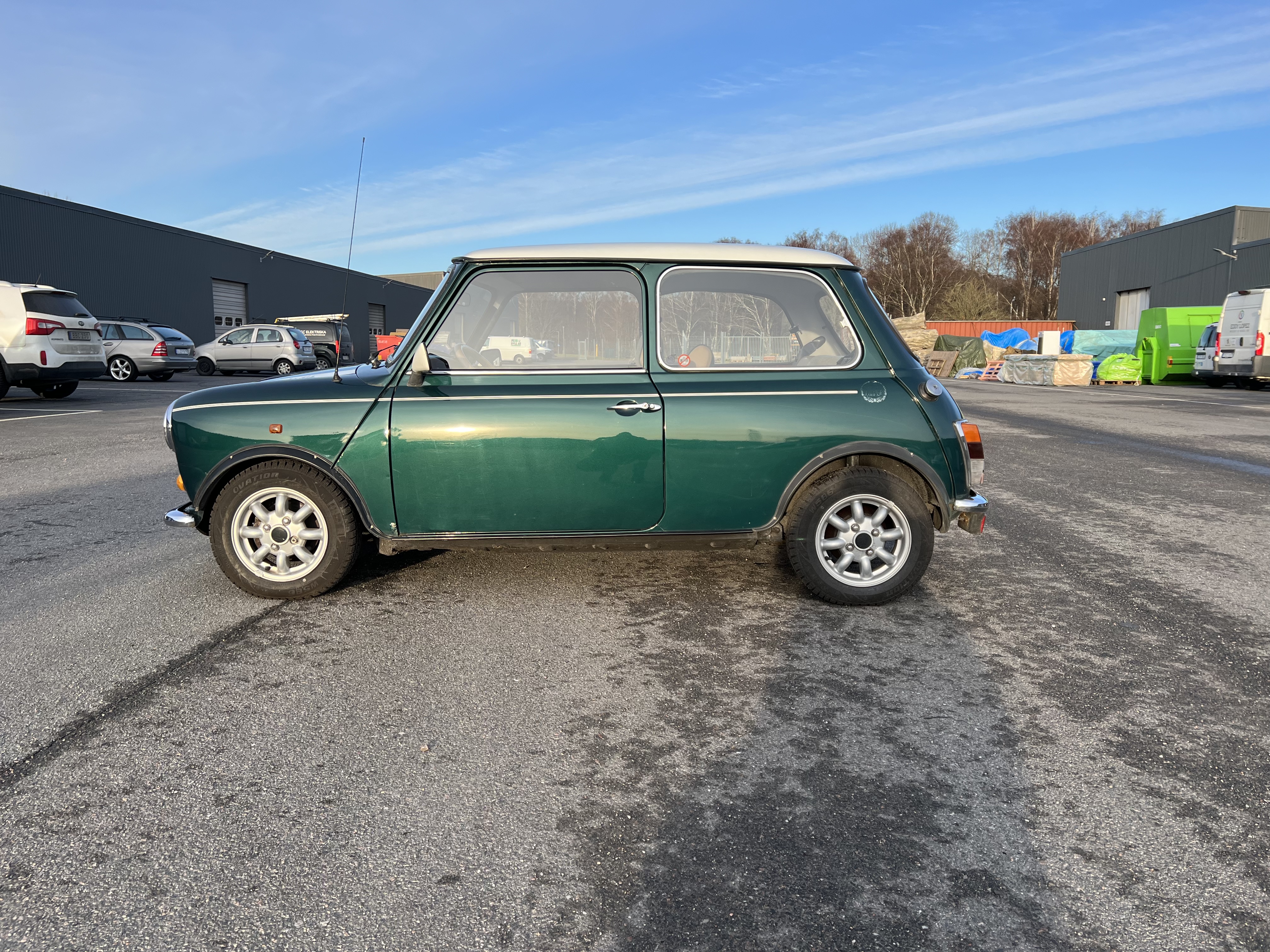

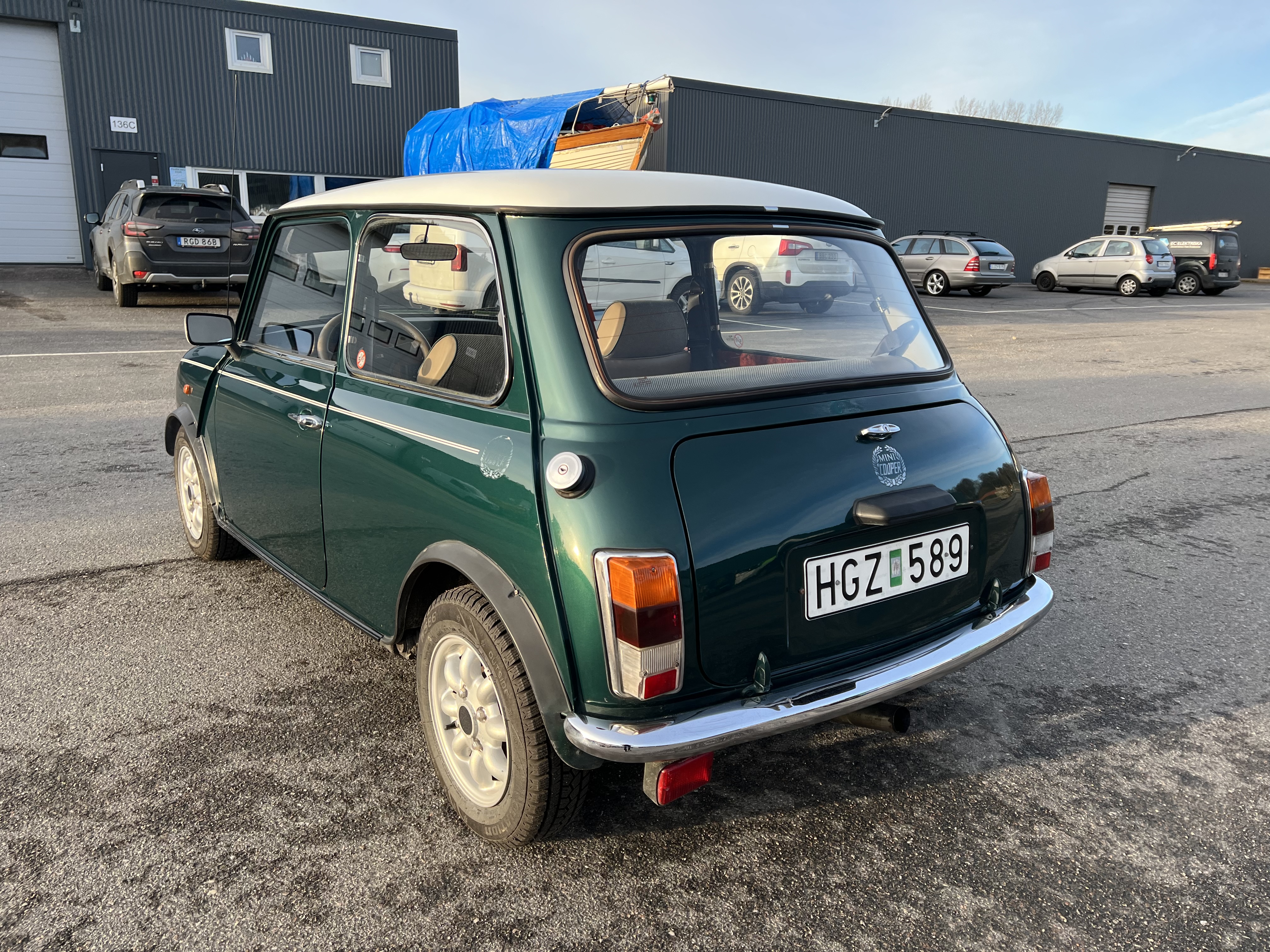
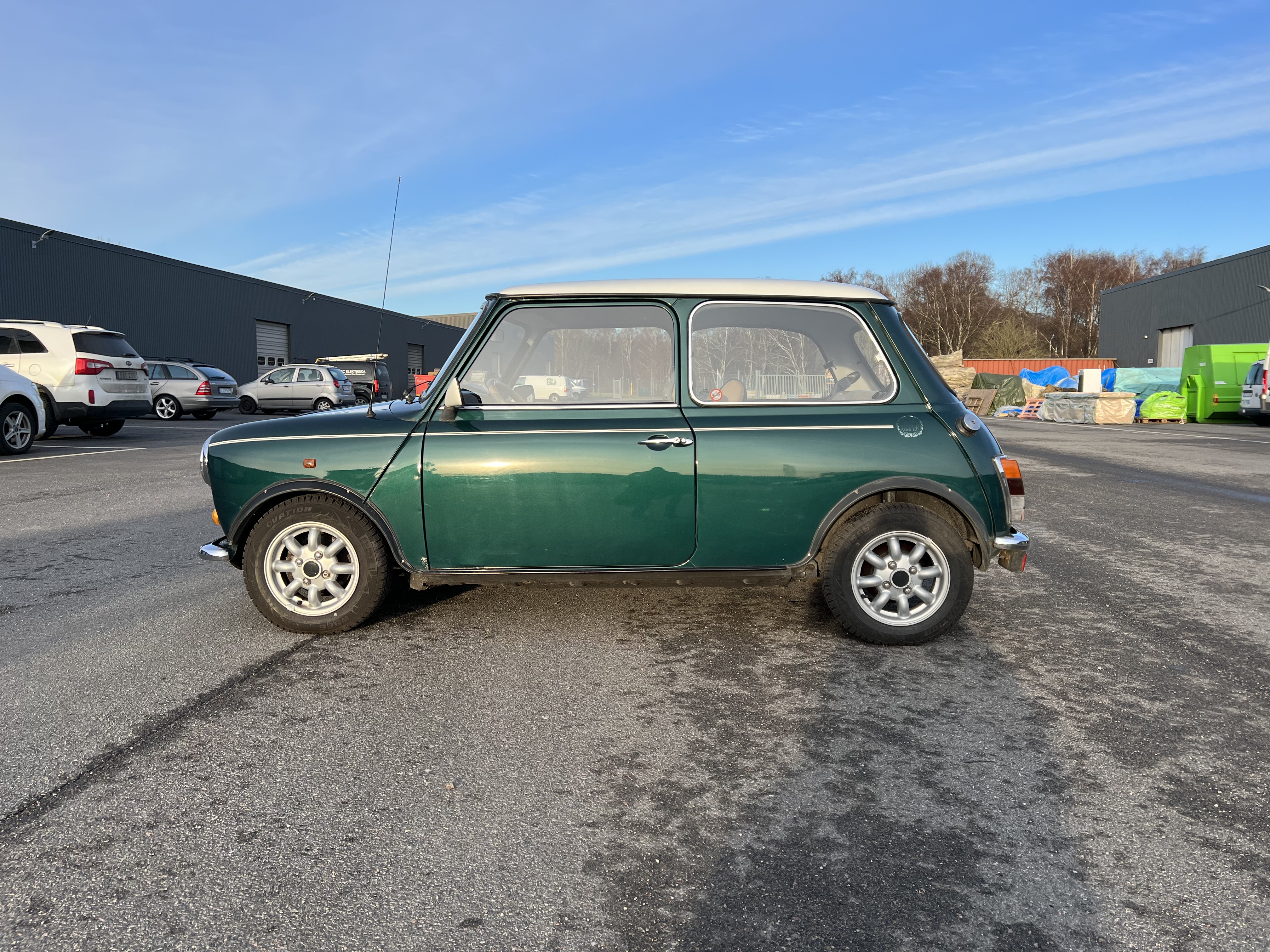
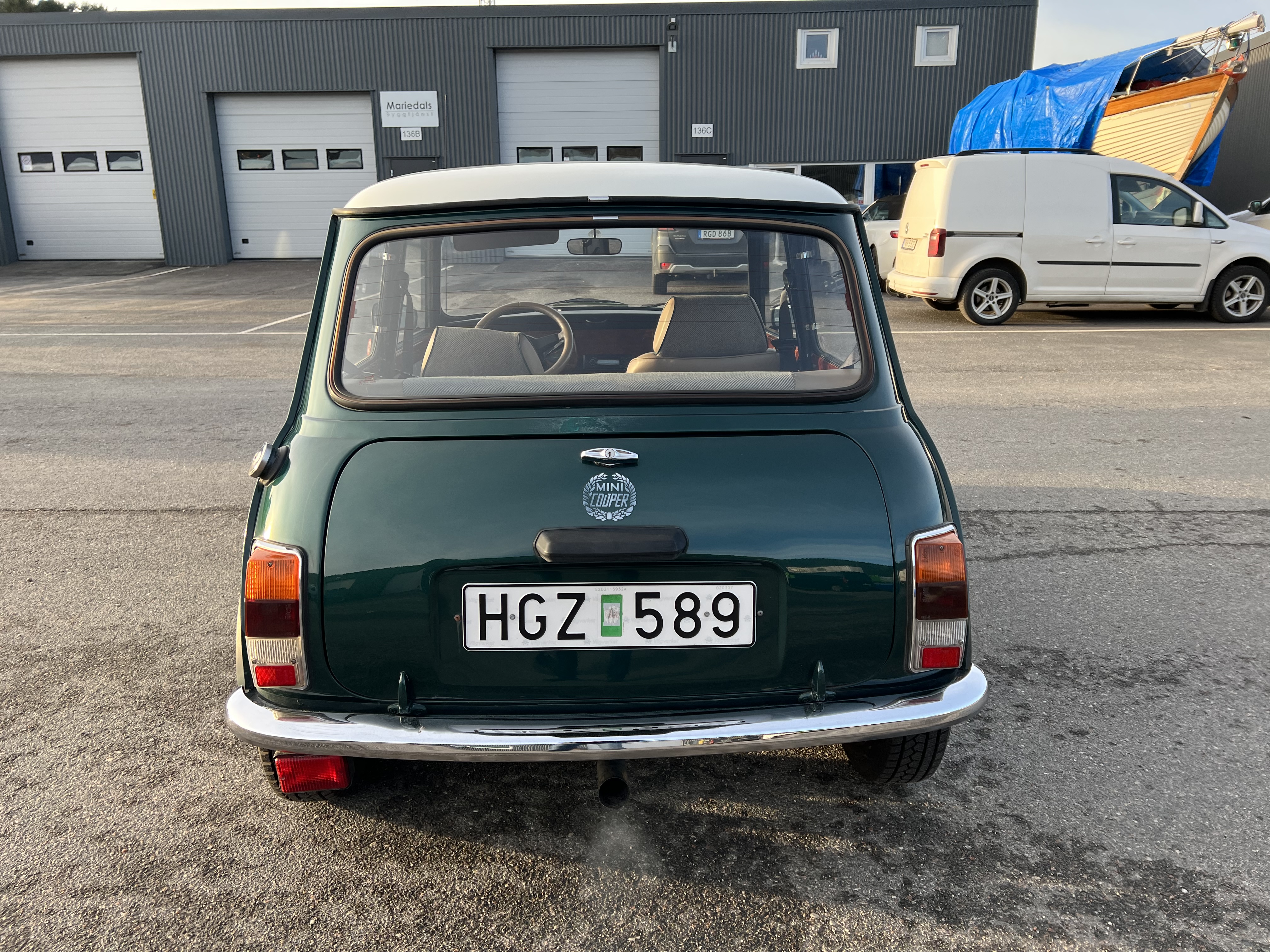
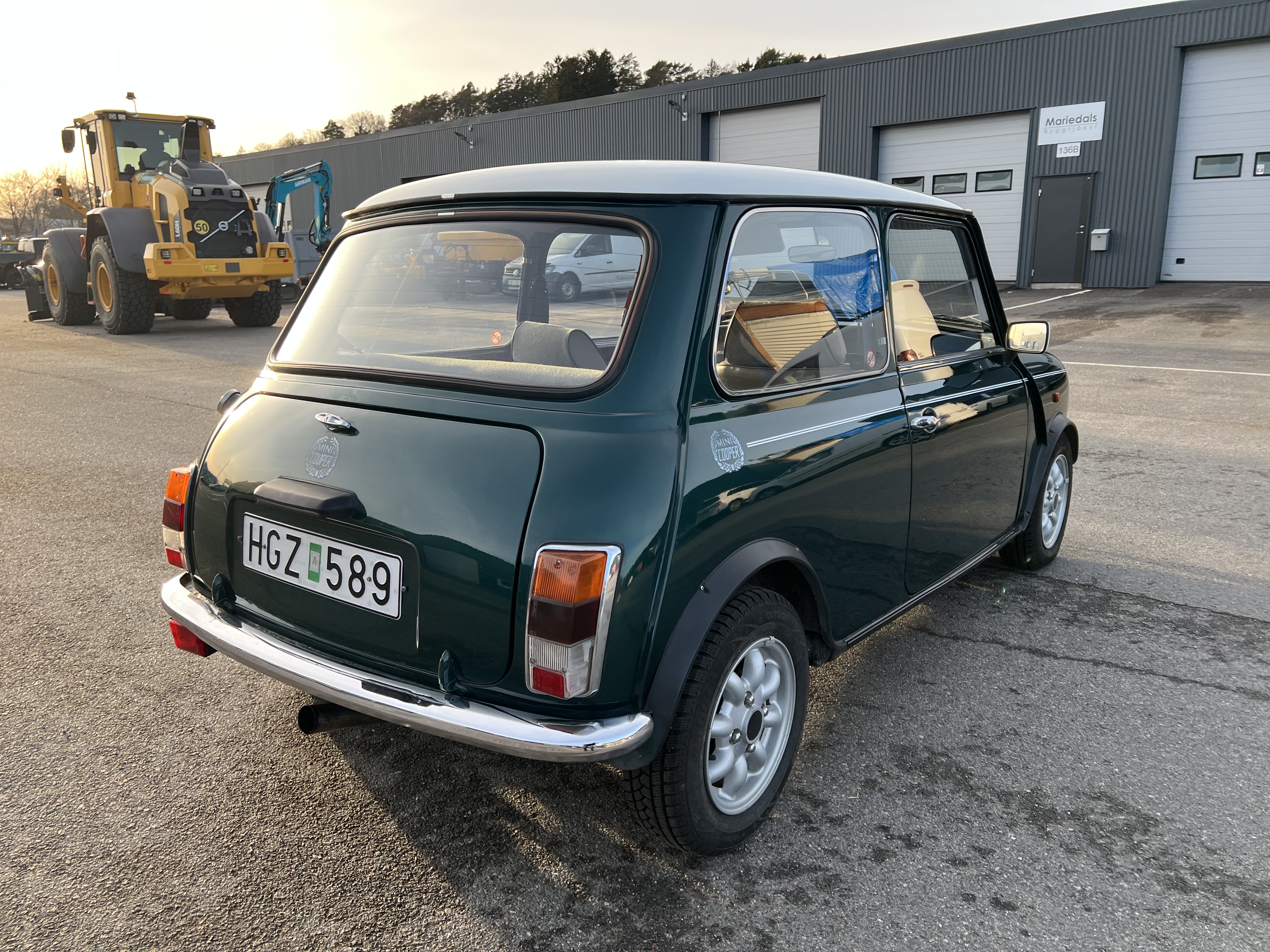
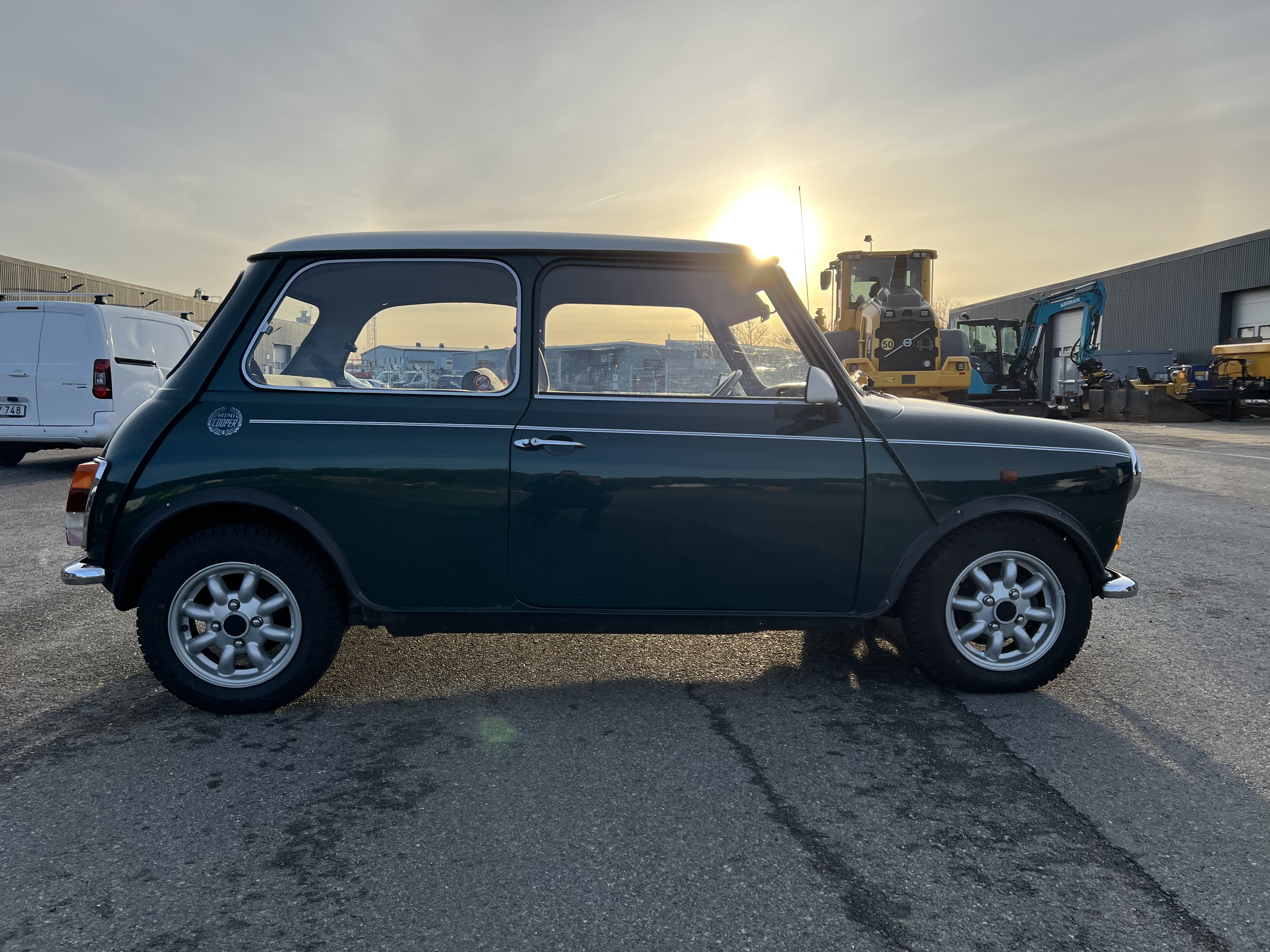
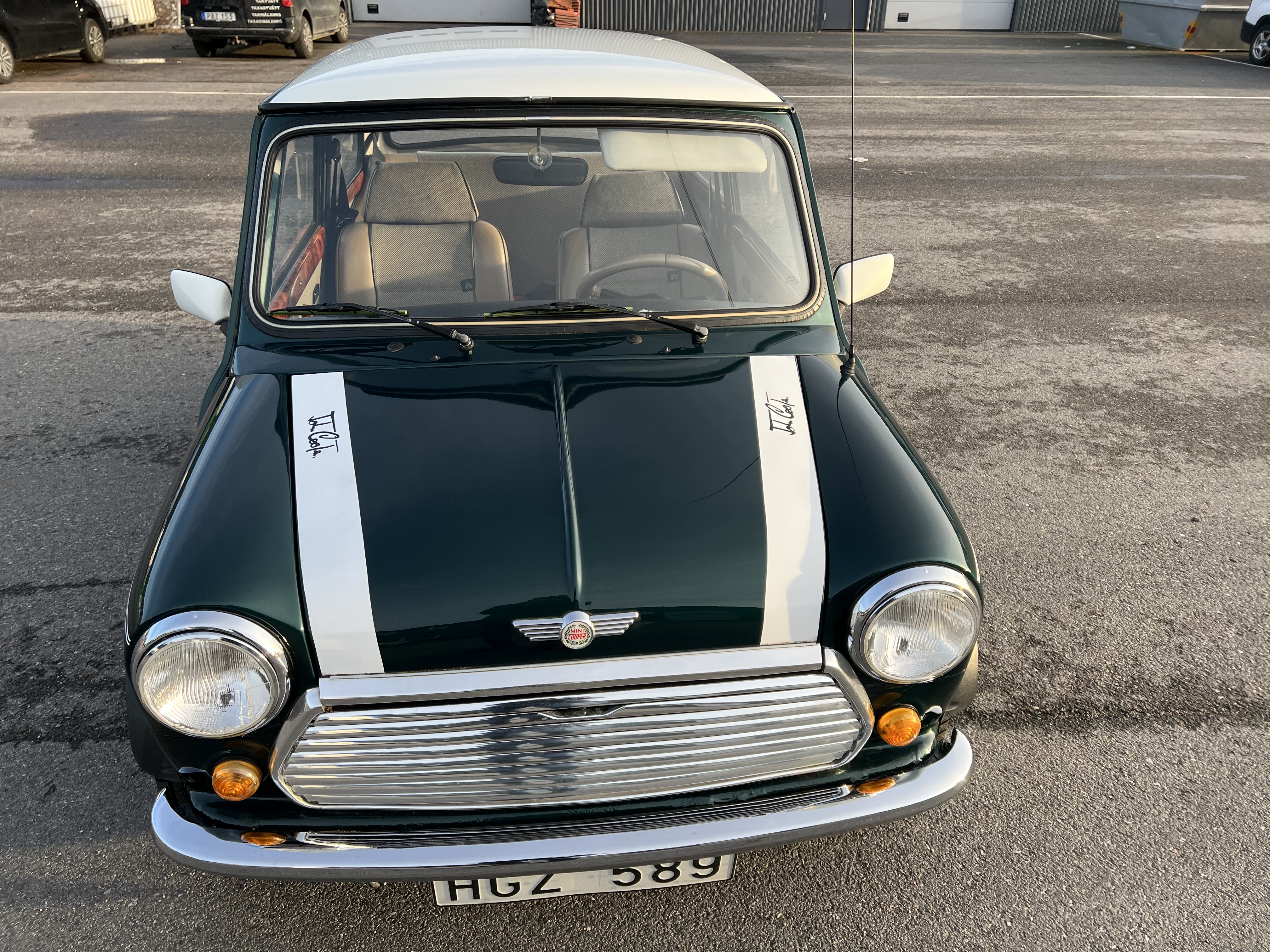
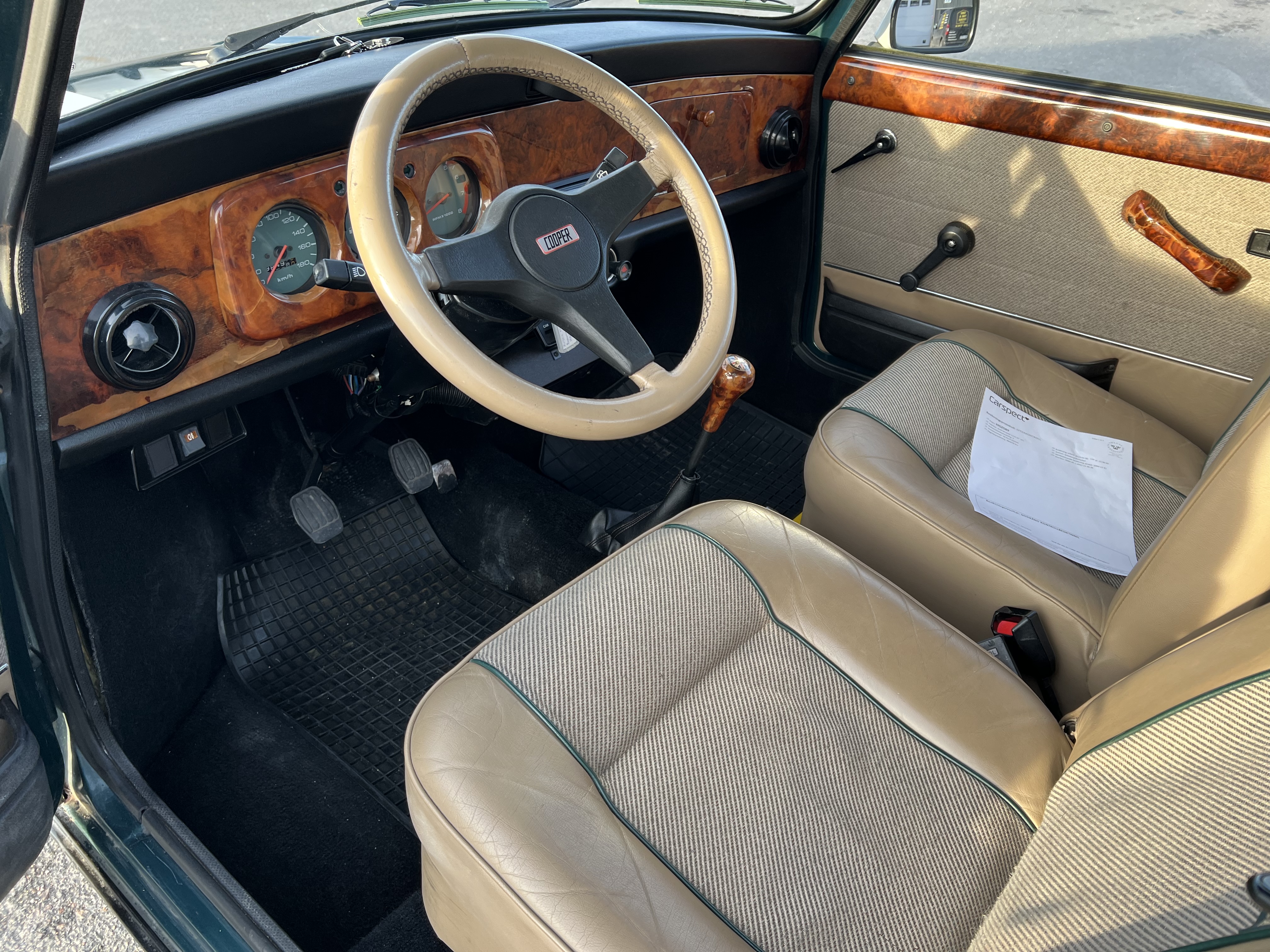

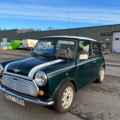
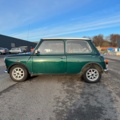
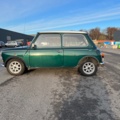
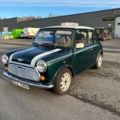
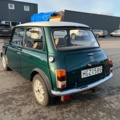
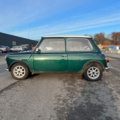
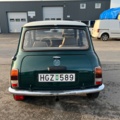
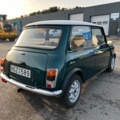
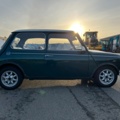
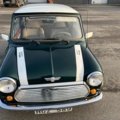
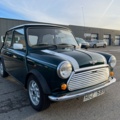
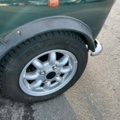
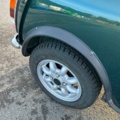
Austin Mini 1275 GT 1.3 Manual, 59hp, 1975 (Inspection free
Description
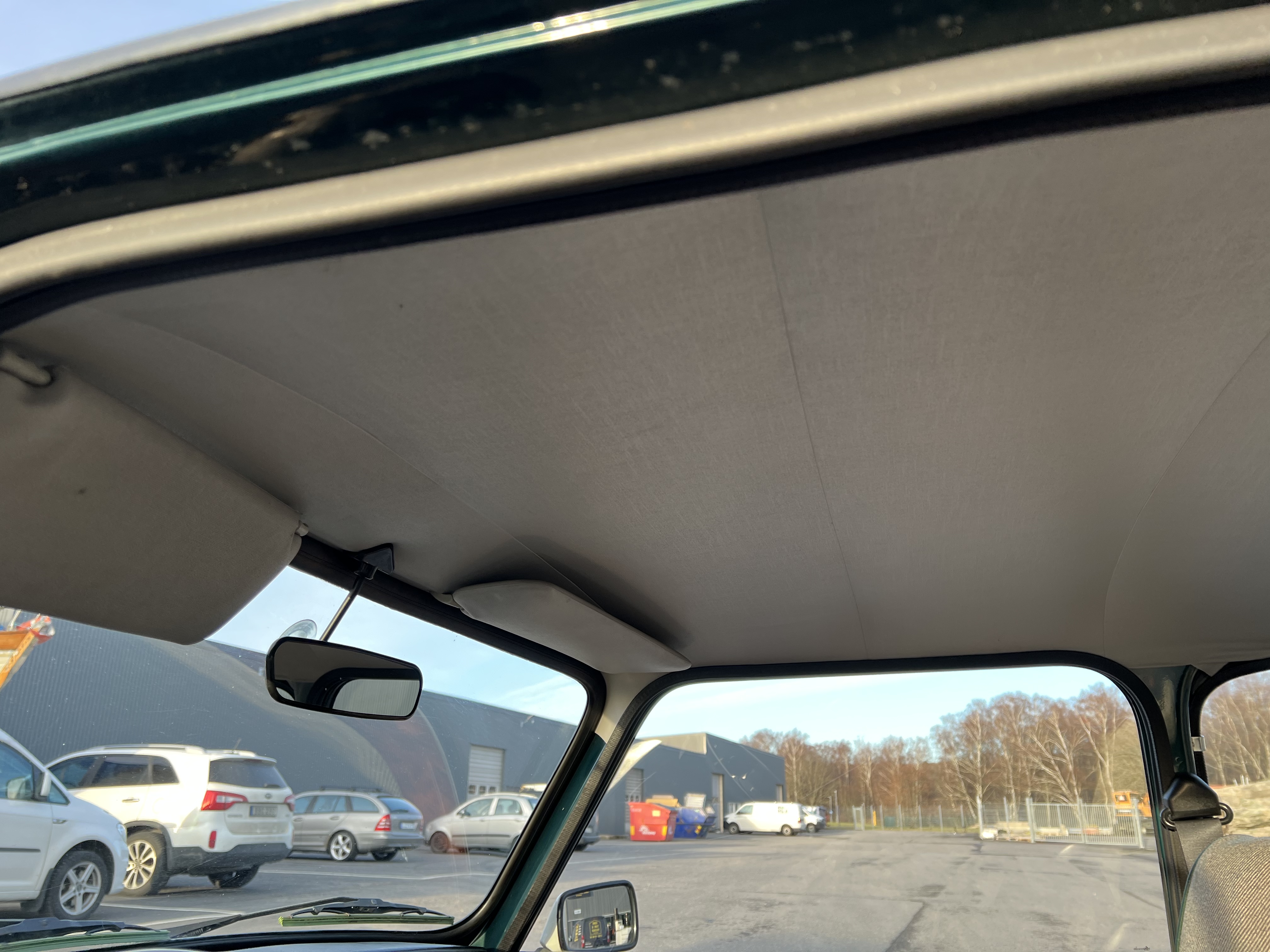
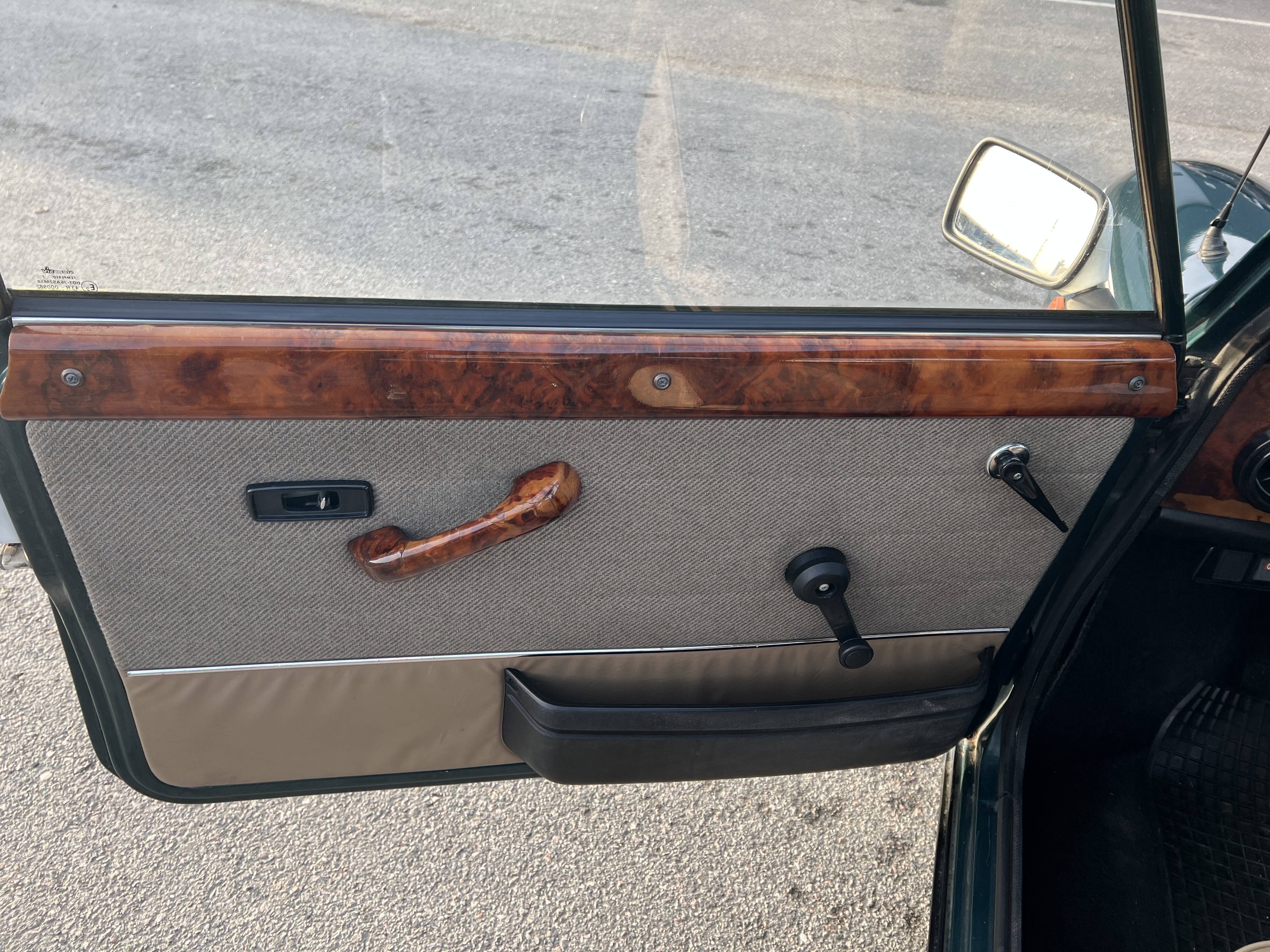
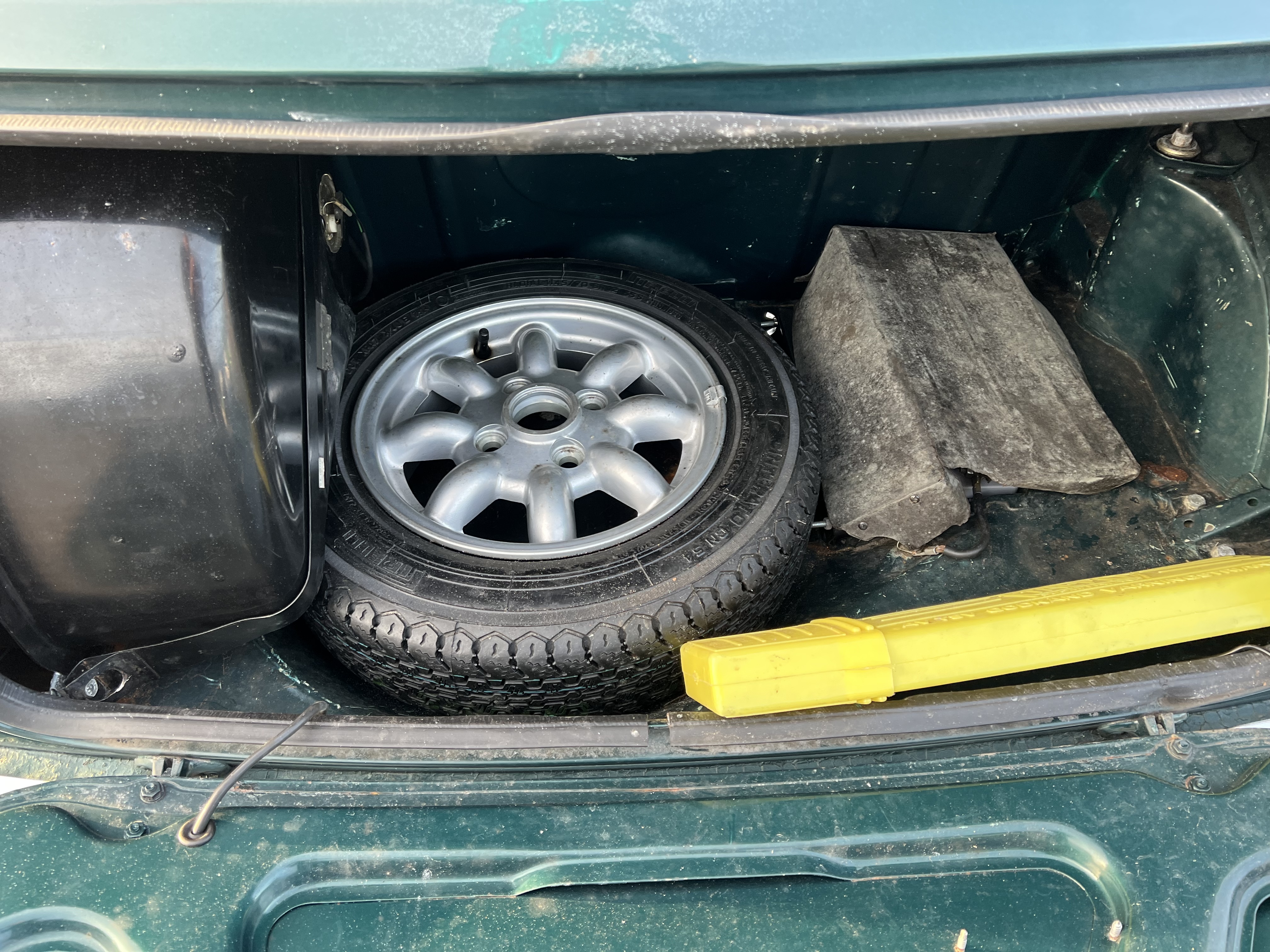
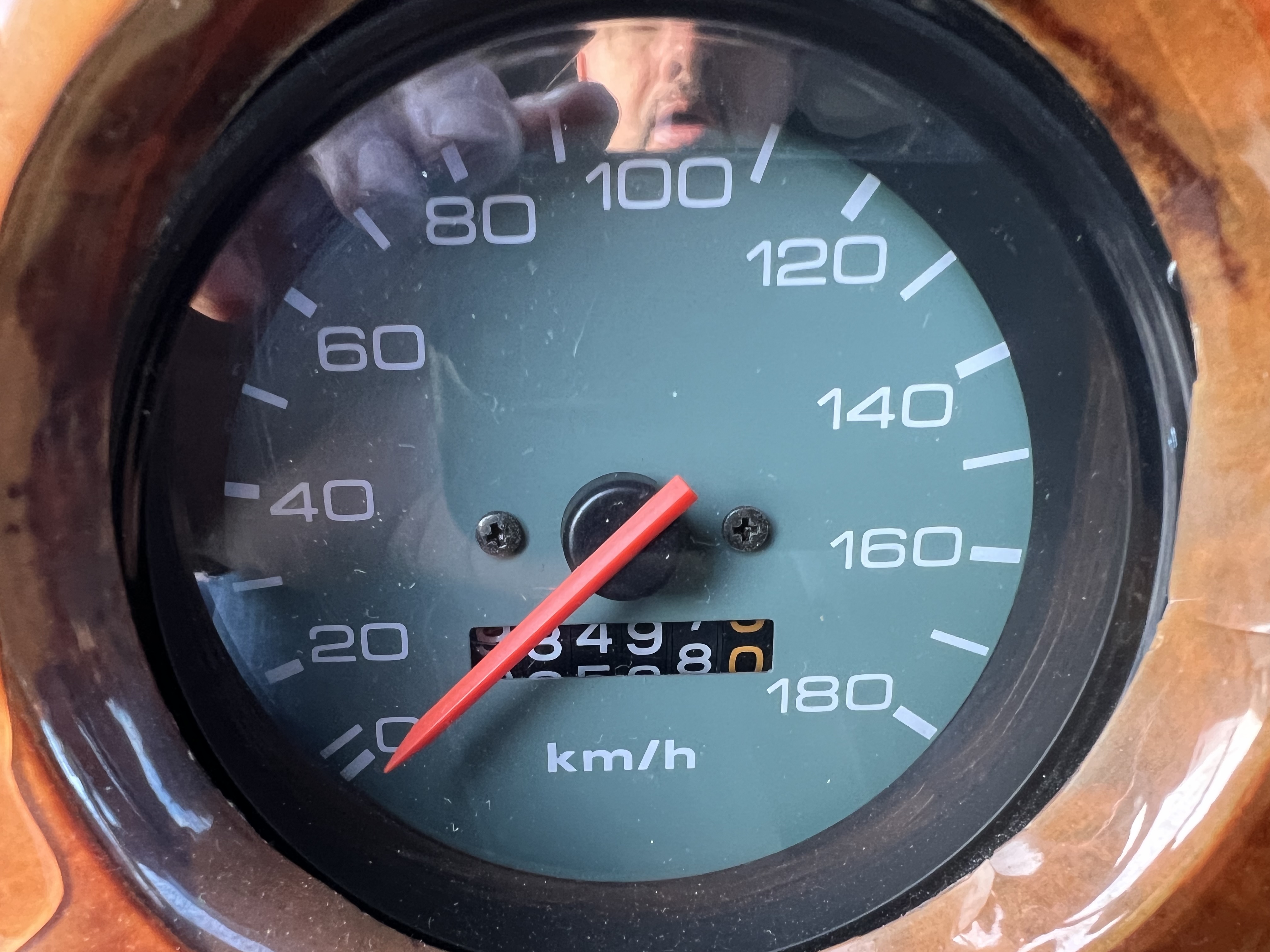
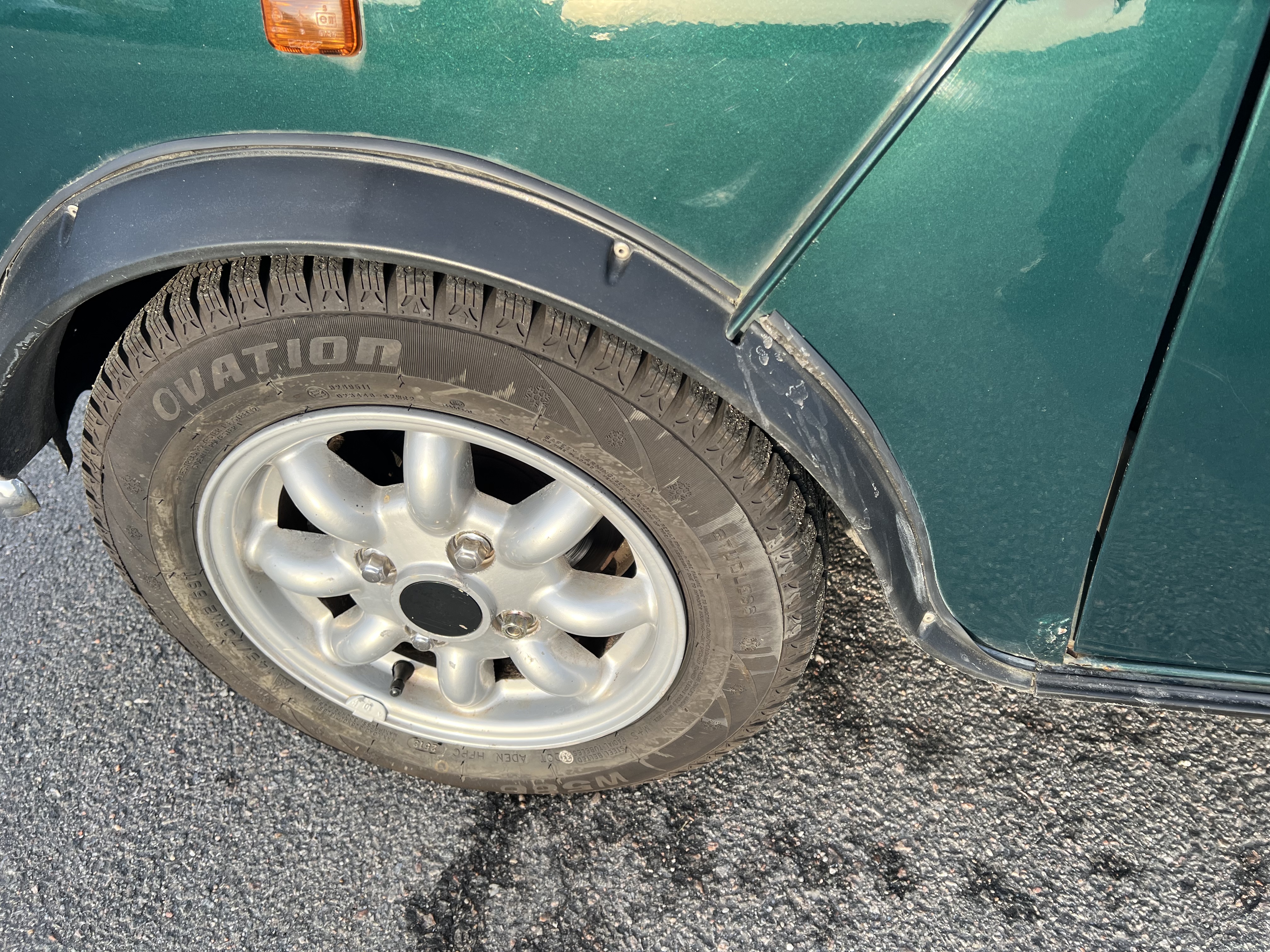
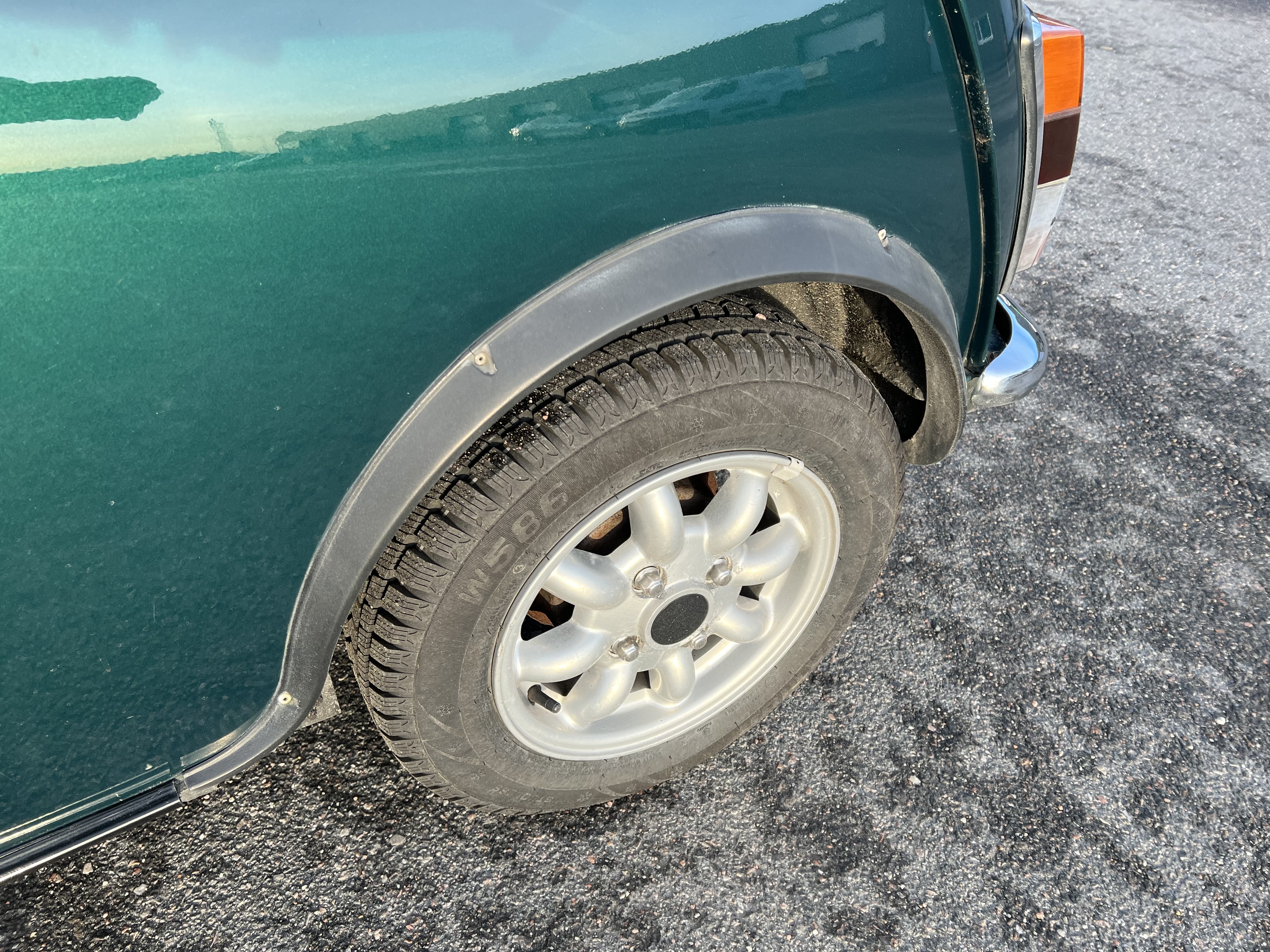
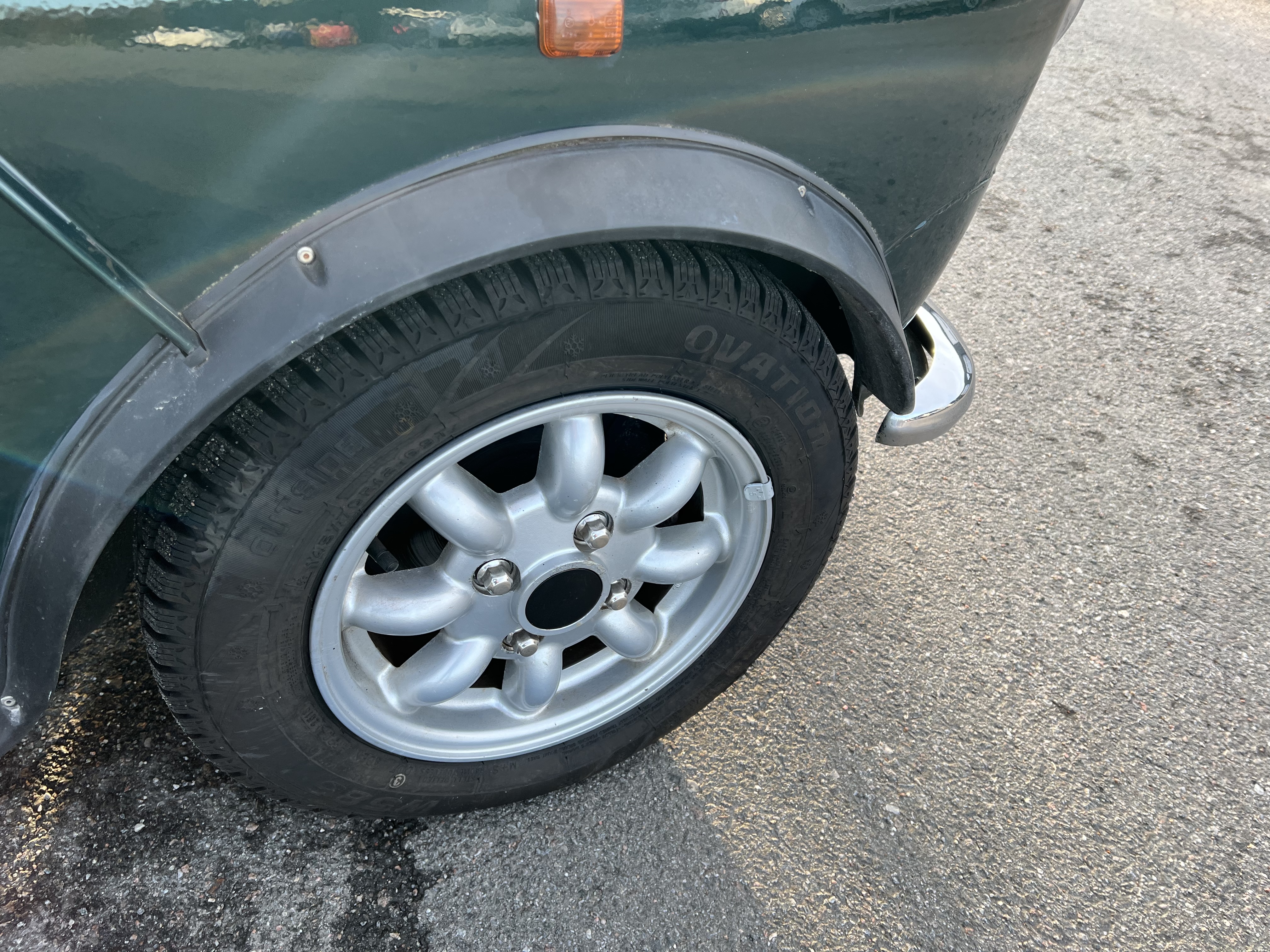
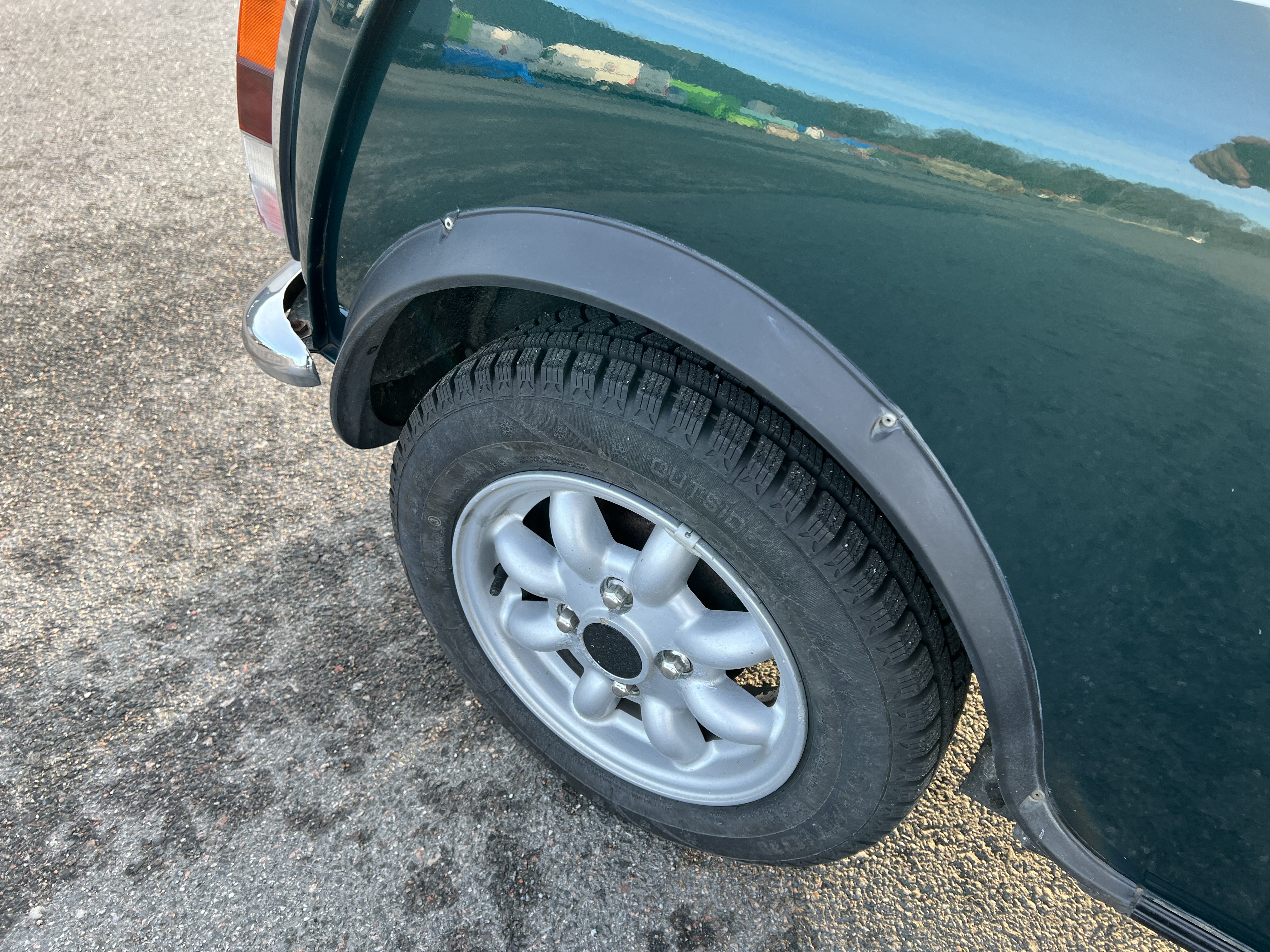
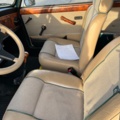
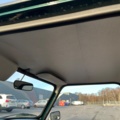
When production of the Cooper and Cooper S ceased in the early 1970s, the fallen mantle was taken over by British Leyland's 1275 GT. It had a different, more angular front than its predecessor. That front was not entirely successful according to the car enthusiasts, even though it was right for the time in terms of design. It is in good condition.
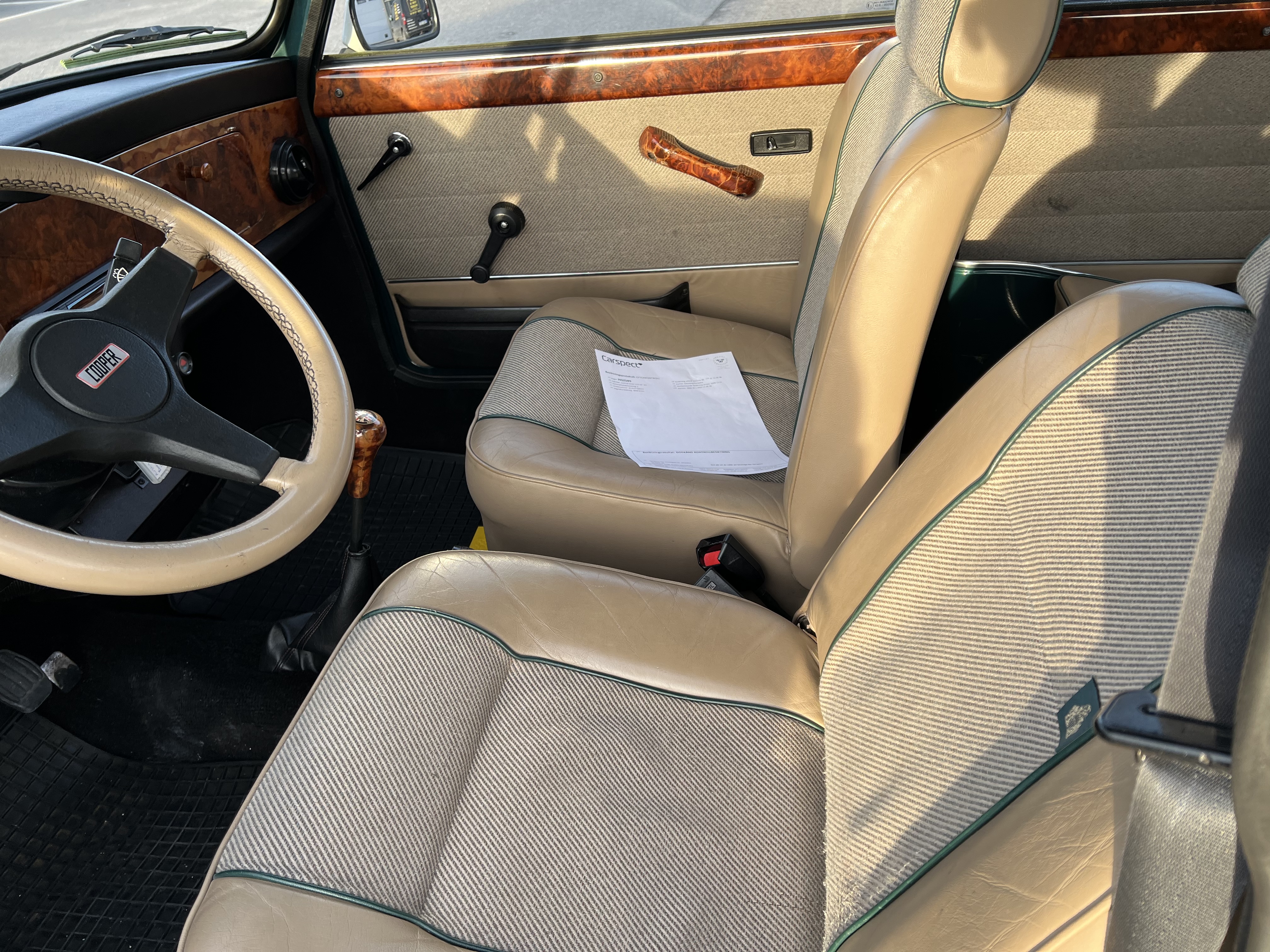
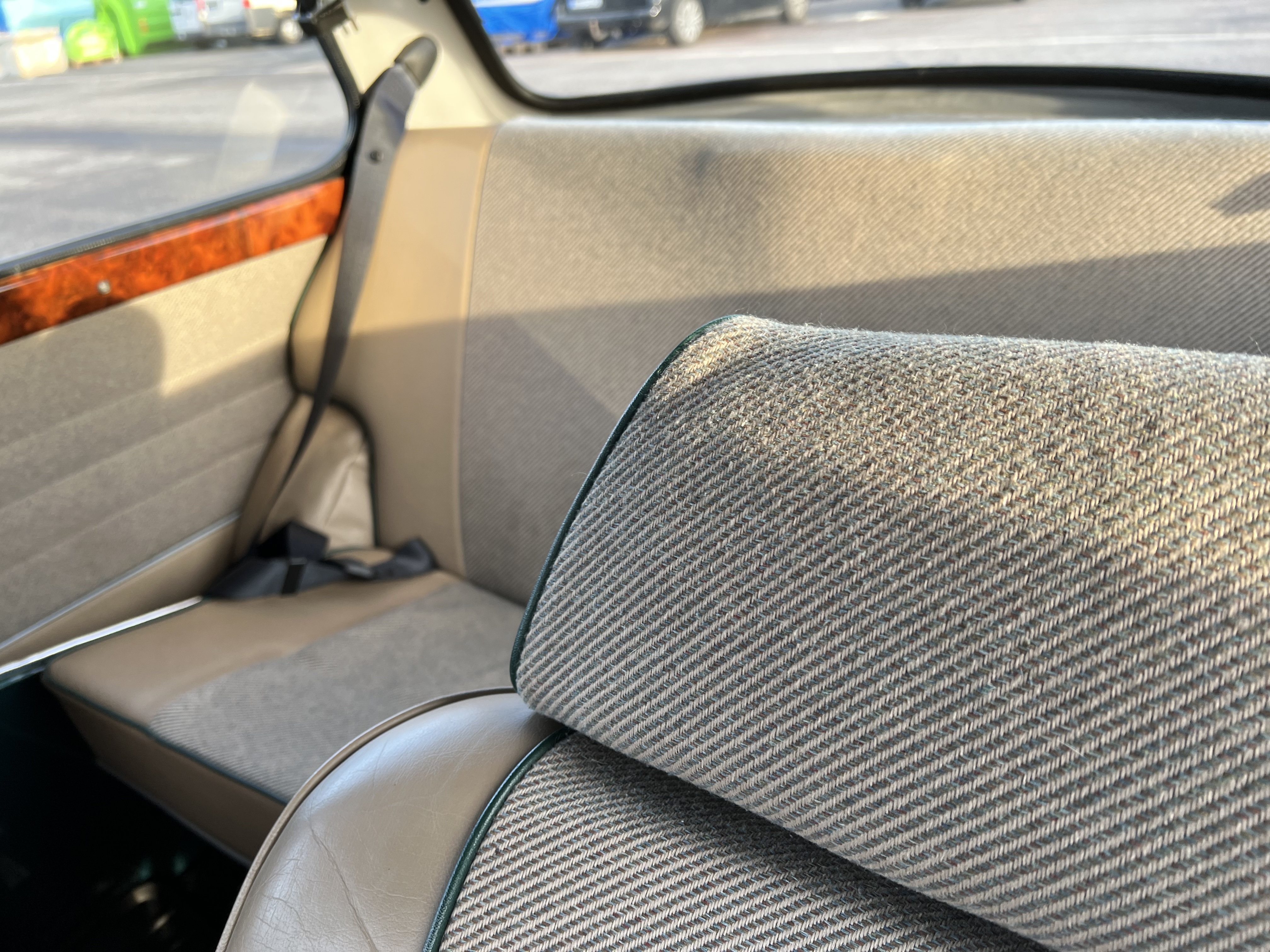
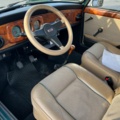
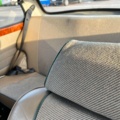
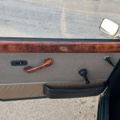
It was renovated in the 1990s, with newer furnishings, etc
Facts about the model
A little history about the dog house:
They were produced under the BMC umbrella with the names Austin and Morris as well as luxury versions Wolseley and Riley. It was called "badge engineering" because they basically just changed a few nameplates and grills. The first dog house or Mini as they were called in the rest of the world was presented in 1959. It was revolutionary thanks to its smart and space-saving construction for which Alec Issigonis was responsible. Issigonis idea was that it would be a simple and cheap car with good road characteristics. It turned out to be. One person who really appreciated the car was John Cooper who at the time ran a racing stable of top-level formula cars. He himself used BMC engines in these and knew its potential. An idea was born. John Cooper approached Alec Issigonis who was not at all interested in having a sharper engine in his beloved Mini. He felt it was a car for the people and not a racing tool as John Cooper wanted it to be .
In 1961, John Cooper finally got his way and an enlarged, 997cc (57 hp) variant of the original 850 (37 hp) engine was produced. The new Mini Cooper was thus born. Cooper got a different livery and disc brakes. They also had a different color on the roof. A sharper variant was presented in 1963 and was built in a shorter series. It was the Cooper S 1071cc that also got larger and more powerful disc brakes. In 1964, a lot happened. Three new engine variants were developed. Cooper S 1275cc and 970cc as well as a more civilized 998cc street engine for the regular Cooper. The reason for producing so many variants of engines was the different class divisions based on engine volume used in car competitions. There were classes for cars up to 850 cc, 1000 cc, 1150 cc and 1300 cc. There was thus a mini for each class.

